
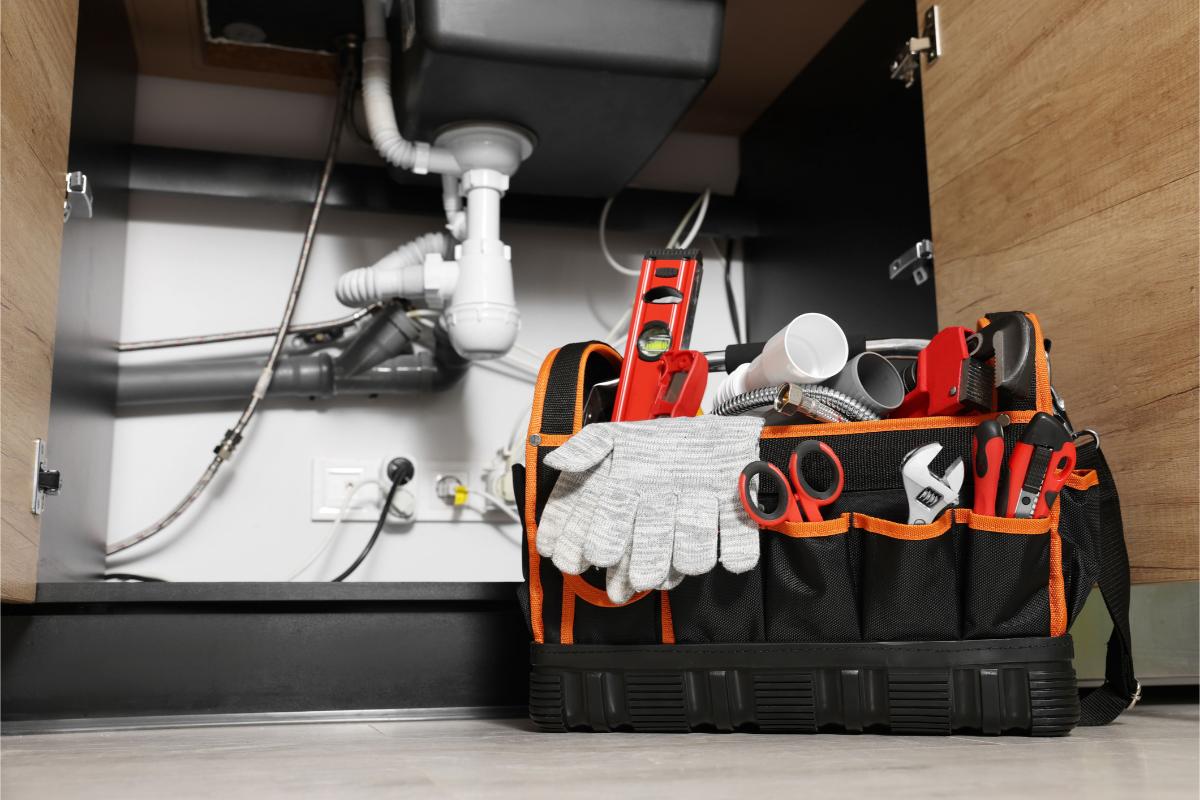
Plumbing and electrical emergencies arrive without warning, often at the most inconvenient moments. A burst pipe on a Sunday morning, a blocked drain late at night, or a power failure during dinner can leave householders unsure of what to do first. The immediate instinct is often panic, but the reality is that most emergencies benefit from a structured approach: assessing the situation, taking temporary safety measures, and then deciding whether professional help is needed and what kind.
When facing an urgent plumbing or electrical problem, understanding what constitutes a genuine emergency versus a situation that can wait until business hours makes a real difference to both your property and your wallet. Some issues demand immediate attention because they pose safety risks or risk causing significant water damage. Others, whilst inconvenient, can often be managed temporarily until a regular repair appointment becomes available. Knowing the difference helps you respond proportionately. For instance, water actively coming through a ceiling or electrical sockets showing signs of burning clearly require urgent help, whereas a slowly dripping tap, whilst wasteful, might be safely left until morning. Finding reliable help when you do need it—such as an emergency plumber London who operates outside normal hours—becomes simpler once you’ve determined what your situation actually requires.
Many householders delay calling for help because they’re unsure whether their problem warrants the cost of an emergency callout. This hesitation can backfire. A small water leak ignored overnight can soak into walls and flooring, multiplying repair costs significantly. Similarly, an electrical fault that seems minor—perhaps a socket that occasionally sparks—can pose a fire risk. The practical question isn’t whether to call someone, but rather when. Understanding what different types of professionals can do, and what you might safely attempt yourself, helps clarify the right moment to reach out.
Taking sensible temporary measures whilst waiting for professional assistance can prevent minor problems from becoming major ones. For plumbing issues, locating and turning off the main water stopcock is usually the first priority if water is actively leaking. This simple action stops water flowing into your home and gives you breathing room to arrange proper repairs. Similarly, switching off electrics at the consumer unit (fuse box) is the safe response to electrical problems, particularly if you notice burning smells, water damage to electrical installations, or sockets showing visible damage. These aren’t repairs—they’re safety measures that buy you time and reduce risk while you wait for professional help to arrive.
The scale of the problem often determines how urgently you need help. A single blocked toilet is disruptive but manageable for a few hours. A burst pipe soaking through multiple rooms demands faster intervention. An electrical power failure affecting your entire home needs attention, particularly if you rely on electricity for heating, refrigeration, or medical equipment. Thinking through what’s actually at stake—water damage, safety risks, disruption to essential services—helps you make a rational decision about whether to call an emergency service rather than simply reacting emotionally to the stress of the moment.
Cost is often a genuine concern when considering an emergency callout. Many households assume that emergency services are prohibitively expensive and try to manage alone or wait for cheaper weekday appointments. In reality, the cost of allowing a small leak to become a large one, or leaving an electrical fault unaddressed, often far exceeds the price of prompt professional intervention. Emergency callout fees typically cover the cost of having someone available outside normal hours, travel time, and parking in London’s congested streets. Understanding what you’re actually paying for—not just the repair itself, but the availability, expertise, and speed of response—helps put the cost in perspective.
Recognising When Your Situation Needs Immediate Professional Help
Certain plumbing and electrical situations are genuinely urgent and warrant calling for help without delay. Water actively pouring from pipes, flooding into walls, or coming through ceilings should trigger an immediate call. So too should electrical situations where power has failed entirely, fuse boxes are repeatedly tripping, or sockets show signs of burning or overheating. These aren’t situations to manage temporarily; they’re problems that pose genuine risks to your property and potentially your safety.
Water damage in particular accelerates quickly. What might seem like a minor leak can soak into structural elements, causing rot, mould, and damage to decoration and furnishings within hours. Electrical faults similarly pose risks that shouldn’t be ignored. A tripping circuit breaker, for instance, usually indicates a fault that needs identifying and correcting. Repeatedly resetting it without understanding why is genuinely risky. When you’re uncertain whether a situation is truly urgent, erring on the side of caution by seeking professional assessment is usually wise.
Preparing Ahead Makes Emergencies Less Stressful
Householders who experience plumbing or electrical emergencies report that knowing what to do first significantly reduces their stress. This preparation needn’t be complicated. Locating your main water stopcock before an emergency occurs means you can turn off the water supply immediately if a pipe bursts, without wasting time searching or making panicked phone calls. Similarly, knowing where your fuse box is and how to safely switch it off is valuable knowledge if electrical problems occur.
Having contact details for reliable professionals readily available is equally practical. Rather than frantically searching online whilst a crisis unfolds, knowing who to call means you can connect with help quickly. Some householders keep a list of trusted tradespeople on their kitchen notice board or saved in their phone. Others have identified services that operate during the hours when emergencies are most likely to occur in their household—overnight, weekends, or during holidays.
Understanding What Different Professionals Can Do
Plumbing and electrical work require different expertise, and it’s worth understanding what each type of professional handles. Emergency plumbers specialise in diagnosing and fixing plumbing faults—burst pipes, leaking connections, blocked drains, radiator leaks, and water supply problems. They can usually identify issues quickly and carry parts or tools to fix them on the same visit. Electrical engineers similarly diagnose and repair electrical faults, from power failures to tripping circuits and faulty sockets. Some emergency services offer both disciplines under one roof, which can be convenient if you’re unsure whether your problem is plumbing or electrical, or if you experience both simultaneously.
What professionals won’t usually do is undertake complex renovations, install new systems, or complete lengthy jobs during emergency callouts. That’s not their role. Emergency services exist to make situations safe, stop immediate damage, and restore basic functionality so you can carry on. Larger works—replacing old pipework, upgrading electrical installations, or installing new systems—are properly scheduled as separate projects with longer lead times and potentially higher costs. Understanding this distinction helps you have realistic expectations when you call for emergency help.
Making Sense of Callout Costs
Emergency callout charges reflect the reality of providing 24-hour availability. Services operate staff, maintain vehicles, and hold stock of common parts continuously, whether or not calls come in. First-hour rates are typically higher than standard weekday repair charges because they cover travel, parking, London congestion charges, and the premium associated with availability outside normal hours. Knowing roughly what to expect financially makes it easier to make a calm decision when an emergency occurs.
Many services charge separately for diagnosis and repair time, with the first hour usually charged as a minimum callout fee regardless of how long the actual work takes. This approach means a 20-minute repair and a two-hour repair might have different total costs, though the first-hour fee remains the same. Understanding how the charging works helps you grasp why the invoice looks as it does once work is complete. Reputable services explain their pricing upfront and confirm costs with you before proceeding with work beyond the initial assessment.
What Happens When You Call
When you do call for emergency help, being clear about what’s happening helps the person answering understand your situation quickly. Describing where the water is coming from, what electrical problems you’re experiencing, or what you’ve already done to make things safe gives professionals useful context. They can offer immediate safety guidance whilst they’re arranging for someone to attend, and they can provide an estimated arrival time based on current demand and traffic conditions.
Speaking to a real person rather than navigating an automated system is often reassuring during stressful moments. They can listen to your specific circumstances, offer practical advice, and help you feel less alone with the problem. Once an engineer attends, they’ll assess the fault, explain what’s causing it, and discuss your options before proceeding with any repairs beyond making the situation safe. This transparent approach means you’re not ambushed with large bills for work you didn’t agree to.
Taking Control of an Unpredictable Situation
Plumbing and electrical emergencies feel chaotic because they occur without warning and demand decisions quickly. The reality is that you retain more control over these situations than the initial panic suggests. By knowing what constitutes an emergency, taking sensible temporary measures, understanding what professionals can do, and having contact details ready, you transform an emergency from a crisis into a managed problem. The uncertainty and stress diminish significantly once you’ve taken action—even if that action is simply calling for help and explaining what’s happened.