
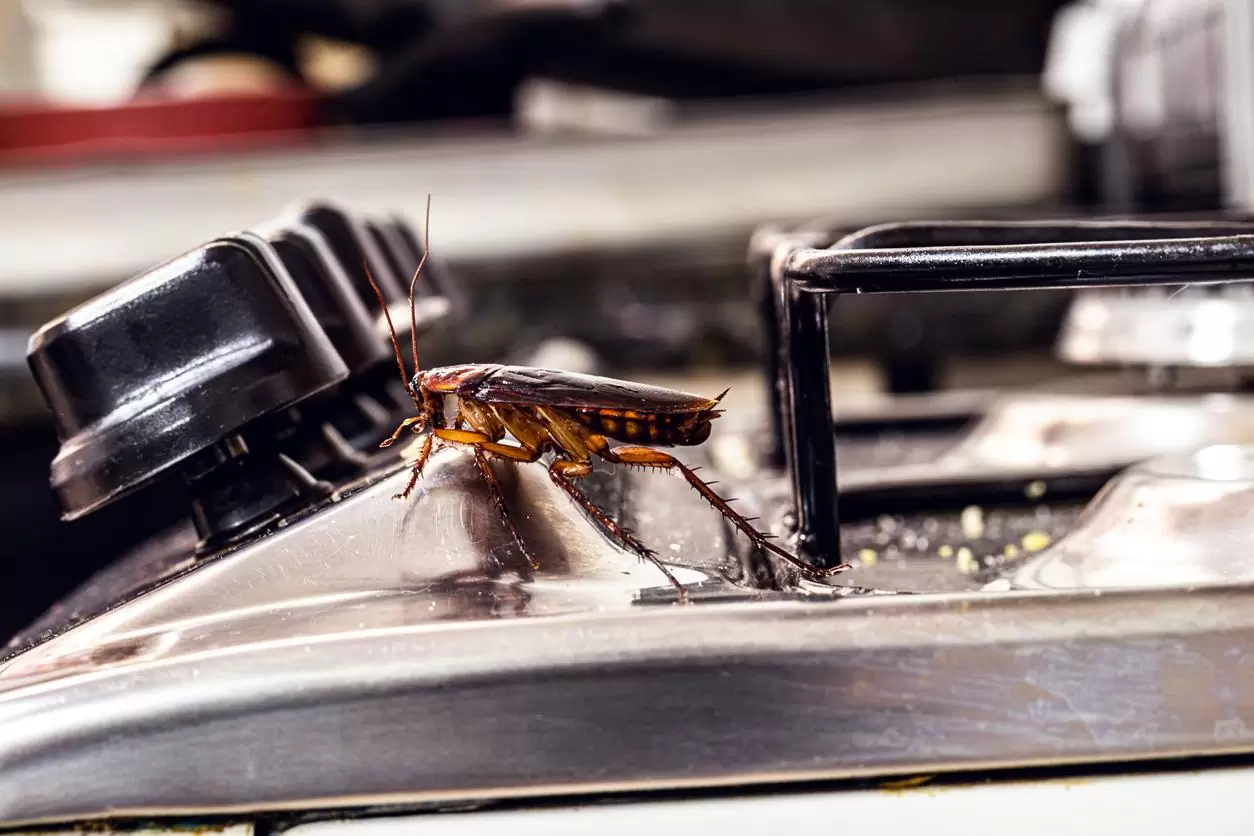
London, a bustling metropolis steeped in history and continuously evolving, faces an ongoing battle against an insidious enemy: pests. The demand for London pest control services has never been higher, a trend directly attributable to a complex interplay of environmental factors reshaping the urban ecosystem. From the subtle shifts in our climate to the relentless expansion of the city itself, these environmental pressures create an increasingly hospitable environment for a diverse range of unwelcome creatures, making the expertise of London pest control professionals more crucial than ever.
One of the most significant environmental factors contributing to the surge in pest problems is climate change. London’s climate is becoming demonstrably warmer and wetter, providing ideal breeding conditions for many pest species. Milder winters mean fewer natural die-offs of rodent and insect populations. Pests like rats and mice, which typically face higher mortality rates during harsh winters, are now surviving in greater numbers, leading to larger breeding populations come spring. This extended breeding season places an immense strain on existing London pest control measures and requires proactive and adaptable strategies.
The increased rainfall, often manifesting as more intense and frequent downpours, further exacerbates the problem. Saturated ground and overflowing drainage systems create damp, humid environments that are perfect for cockroaches, slugs, and various types of flies. Flooding can also displace rodent populations from sewers and underground burrows, driving them into homes and businesses in search of dry refuge. This direct impact on their habitats invariably leads to an uptick in calls for London pest control, as residents and businesses find themselves unexpectedly sharing their spaces with these displaced creatures.
Urbanisation and the relentless expansion of London’s built environment also play a pivotal role. As green spaces are replaced by concrete and steel, natural habitats for predators of pests, such as birds of prey and foxes, diminish. This imbalance in the food chain allows pest populations to flourish unchecked. Furthermore, the sheer density of housing and commercial properties provides an endless labyrinth of harborage points for pests. Cracks in foundations, gaps in pipework, and unsealed entry points become gateways for rodents, insects, and other nuisances. Effective London pest control strategies must therefore consider the intricate urban fabric when devising solutions.
The waste management infrastructure, while continually improving, presents another environmental challenge. London’s vast population generates an enormous amount of waste, much of it food-related. Inevitably, despite best efforts, some waste ends up accessible to pests. Overflowing bins, improperly sealed waste bags, and food debris on streets serve as readily available food sources, sustaining large populations of rats, mice, and urban gulls. These ample food supplies allow pests to thrive, making regular and diligent London pest control interventions essential to mitigate their numbers and prevent widespread infestations.
Changes in building design and construction materials can also inadvertently contribute to pest issues. While modern buildings are often designed for energy efficiency, the very features that keep them warm can create hidden voids and cavities that are perfect nesting sites for pests. Poorly sealed insulation, gaps around utility lines, and unaddressed structural weaknesses become inviting habitats. Older buildings, prevalent throughout London, often have their own unique set of challenges, with crumbling mortar, unsealed attics, and leaky pipes providing ideal conditions for a range of pests. Addressing these structural vulnerabilities is an important aspect that London pest control specialists often advise on.
The globalisation of trade and travel is another environmental factor that, while not strictly “natural,” significantly impacts the pest landscape in London. With goods and people constantly moving in and out of the city from all corners of the globe, there is an increased risk of introducing non-native pest species. These invasive species can outcompete native ones, lack natural predators, and quickly establish themselves, posing new and complex challenges for London pest control. Bed bugs, for example, have seen a resurgence in recent decades, partly due to increased international travel, requiring advanced detection and treatment methods from London pest control experts.
The public’s understanding and response to pest issues also forms part of the environmental equation. A lack of awareness about preventive measures, such as proper food storage, waste disposal, and sealing entry points, can inadvertently create environments conducive to pests. Education campaigns from local authorities and London pest control providers are crucial in empowering residents to take proactive steps, thereby reducing the overall burden on professional services. Without public cooperation, even the most robust London pest control efforts can be undermined.
Moreover, the interconnectedness of London’s infrastructure means that an infestation in one area can quickly spread to others. Shared walls in terraced housing, interconnected drainage systems, and the dense network of underground utilities provide pathways for pests to travel. A problem that starts in a commercial kitchen can swiftly impact neighbouring residential properties, illustrating the need for a comprehensive and collaborative approach to London pest control. This highlights the importance of timely intervention to prevent smaller issues from escalating into widespread problems.
The urban heat island effect, where metropolitan areas are significantly warmer than surrounding rural areas, is another environmental factor that plays into pest proliferation. The vast expanses of concrete, asphalt, and building materials absorb and retain heat, keeping London warmer, especially at night. This extended warmth can prolong the breeding seasons of various insects and allow cold-sensitive pests to survive through periods that would traditionally limit their populations. This consistent warmth creates a more stable environment for pests, necessitating continuous London pest control vigilance.
Finally, the increasing public awareness and reduced tolerance for pests also contribute to the demand for London pest control services. In an age of instant information and higher expectations for hygiene, residents and businesses are less willing to co-exist with pests. What might have been tolerated as an occasional sighting years ago is now promptly reported and addressed. This heightened sensitivity, while positive for public health, naturally increases the volume of calls received by London pest control providers, reflecting a collective desire for a pest-free urban environment.
In conclusion, the escalating need for London pest control services is not a simple phenomenon but a multifaceted challenge driven by profound environmental shifts. From the warming climate and intensified urbanisation to issues of waste management and global connectivity, these factors collectively create a more challenging landscape for pest management. As London continues to adapt and grow, the role of professional London pest control will only become more critical in maintaining public health, protecting property, and ensuring the continued liveability of this dynamic global city. Addressing these environmental factors through sustainable practices, improved urban planning, and continuous public education will be vital in mitigating the future demand for London pest control.