
In homes around the world, radiators play a crucial role in maintaining a comfortable atmosphere, especially during the colder months. As integral components of most central heating systems, they are designed to provide warmth and comfort, ensuring that indoor environments remain cosy, regardless of the temperature outside. While often overlooked, the importance of a good radiator cannot be overstated. They do not merely serve an essential function but also contribute significantly to energy efficiency, interior aesthetics, and overall homeowner satisfaction.
At their core, radiators are designed for the effective transfer of heat. They work by circulating hot water or steam through their inner chambers, which then releases heat into the surrounding air, warming the room. This process promotes a comfortable home environment, which is particularly important during winter months when temperatures can drop dramatically. A good radiator will operate effectively and efficiently, ensuring that each room in the house is heated evenly and quickly. The selection of the right type and size of radiator is paramount to achieving optimal heating performance.
One of the first considerations in selecting a radiator is its material composition. Steel, aluminium, and cast iron represent the most common materials used in radiator construction. Each material has its own advantages: steel radiators, for instance, heat up quickly, providing rapid warmth to a room, while cast iron radiators retain heat longer, which can contribute to a more stable and comfortable room temperature over time. This performance factor is significant when determining the type of radiator that best suits a household’s heating needs. Additionally, the longevity of the materials impacts maintenance and replacement costs, making it essential to select high-quality radiators that will withstand the test of time.
The importance of radiator placement also cannot be ignored. Strategically positioning radiators in a home can maximise their effectiveness. Ideally, they should be placed under windows or in cold areas of rooms to counteract drafts and heat loss. An effective heating system not only depends on the radiator itself but also on its placement within the home. A well-placed radiator will ensure that the heat disperses evenly throughout the room while reducing cold spots, leading to greater comfort for occupants.
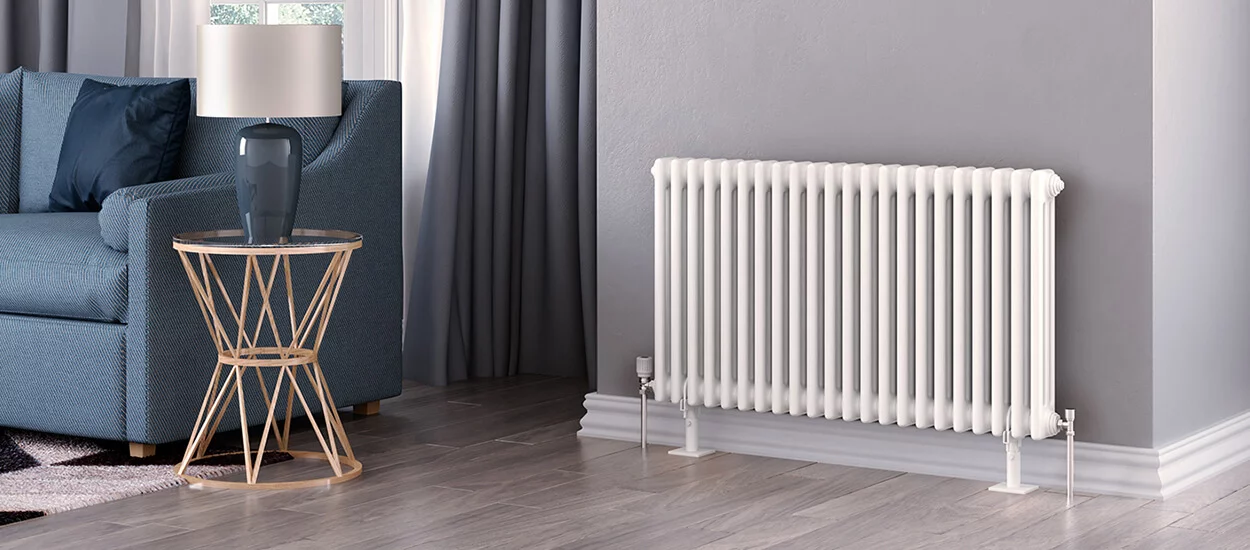
In terms of aesthetics, radiators have evolved significantly over the years. Gone are the days when they were purely functional and often unsightly installations. Modern radiators can complement home décor and contribute to the overall style of a room. Available in a wide range of designs, colours, and finishes, contemporary radiators can blend seamlessly into modern interiors or be styled to enhance traditional spaces. Homeowners now have the luxury of selecting radiators that align not only with their heating needs but also their personal taste and the overall design of their living spaces. This shift highlights the importance of radiators not just as functional elements but also as integral parts of home design.
Energy efficiency is another vital aspect of radiators that deserves attention. With the growing emphasis on reducing carbon footprints and energy bills, the efficient operation of heating systems has come to the forefront. A high-quality radiator will contribute to the overall efficacy of the central heating system, allowing for better heat distribution and the potential for lower energy consumption. Since radiators operate within a system that includes the boiler, careful consideration of both radiator performance and boiler output is essential in achieving the most efficient heating solution. Investing in good radiators can lead to noticeable savings on energy costs over time, adding an economic benefit to their inherent value.
The sustainability of materials used in radiator production is also an important topic in today’s environmentally conscious society. Manufacturers are increasingly considering the environmental impact of products, including radiators. Opting for greener solutions, such as those made from recycled or renewable materials, aligns with a broader commitment to sustainable living. Conducting thorough research and choosing eco-friendly radiator options can join homeowners in the growing movement towards energy-efficient and sustainable living.
Regular maintenance is integral to ensuring that radiators perform optimally. Over time, radiators can collect dust, debris, and even air bubbles, leading to inefficiency. Regular bleeding and cleaning of radiators can prevent build-up and ensure that they continue to operate effectively. A well-maintained radiator will provide heat more efficiently, prolonging its lifespan and maintaining comfort in the home. This aspect underscores the importance of being proactive about heating systems, as it contributes to their longevity and performance, ultimately affecting household heating costs.
Furthermore, the presence of good radiators can have significant implications for health and well-being. A warm and comfortable living environment directly impacts mood and productivity. Cold and drafty rooms can lead to discomfort and dissatisfaction, affecting a household’s quality of life. In contrast, adequately heated spaces foster an inviting atmosphere that promotes relaxation and peace, encouraging family interaction and personal well-being. For families with elderly members or young children, ensuring a consistently warm environment through effective radiator systems becomes even more critical, as vulnerable individuals can be particularly sensitive to temperature fluctuations.
The importance of a good radiator also extends to safeguarding property. An inadequately heated environment can lead to condensation and damp issues, resulting in structural damage and health risks due to mould growth. Well-functioning radiators help maintain a stable temperature and humidity level within a home, reducing the likelihood of moist conditions that contribute to such problems. By investing in efficient heating solutions, homeowners can protect not only their immediate comfort but also the long-term integrity of their property, safeguarding their investment for the future.
As society continues to navigate the impacts of climate change and shifting weather patterns, the importance of effective heating solutions like radiators will only increase. With extreme temperatures becoming more common, having a reliable heating source is paramount. Radiators that can effectively manage temperature fluctuations will be vital in providing warmth and comfort during harsh weather conditions, while also contributing to applicable energy savings.
In summary, the role of radiators in a home is multifaceted and significant. They serve not only to maintain a comfortable living environment but also enhance aesthetic appeal, promote energy efficiency, and contribute to the overall well-being of residents. Selecting the right radiator type, ensuring proper placement, and committing to regular maintenance are all crucial steps in maximising the benefits these essential heating components provide. As we look towards the future of home heating, investing in high-quality radiators will remain an essential consideration for homeowners aiming to enhance comfort, sustainability, and efficiency in their living spaces.